Company News
History and Articles
Explore in-depth articles and historical insights into telescope design, astronomy milestones, and the evolution of optical engineering.
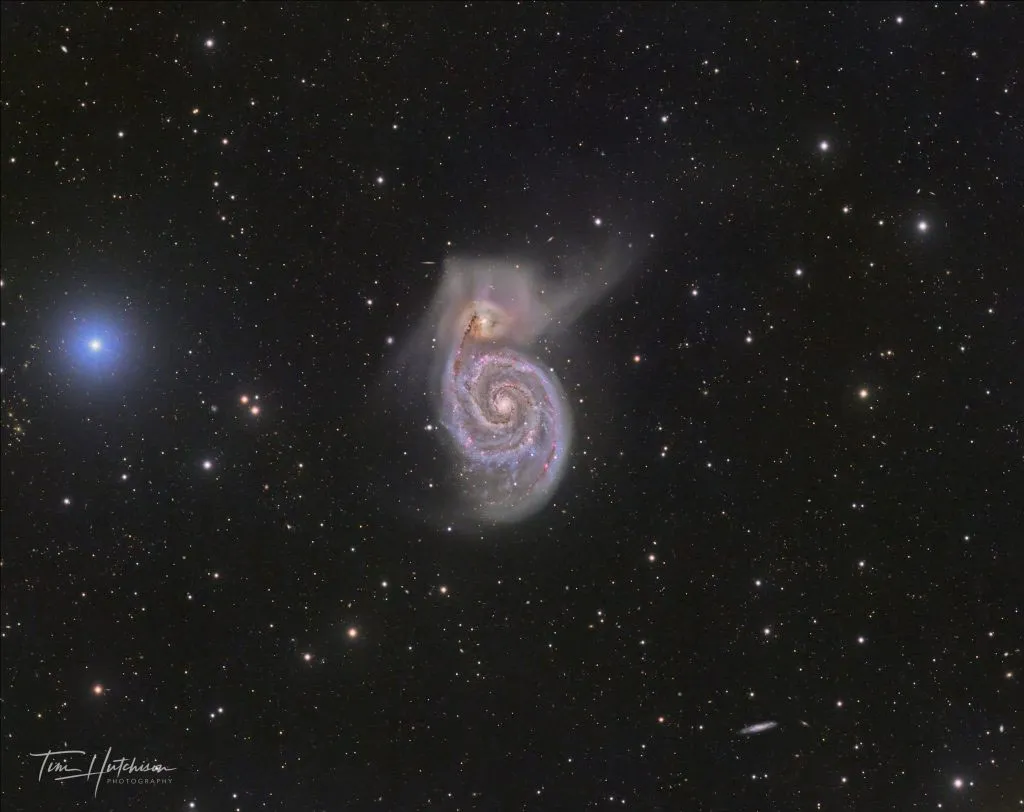
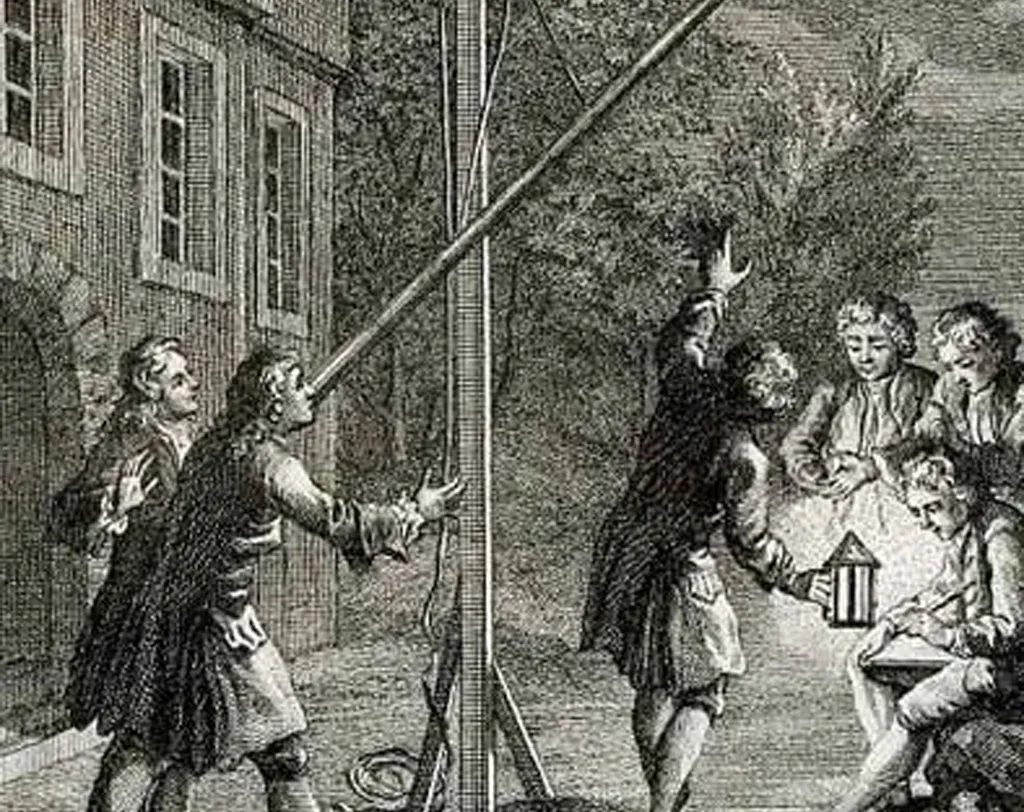
Early gears for seeing Venus atmosphere
The 1761 Venus transit marked a breakthrough in observing Venus's atmosphere, thanks to advancements in telescopes. Astronomers used diverse instruments, from singlet refractors to Dollond's achromatic doublets, revealing fine details like a luminous arc around Venus. Solar activity likely played a key role.
Posted 11/24/2021
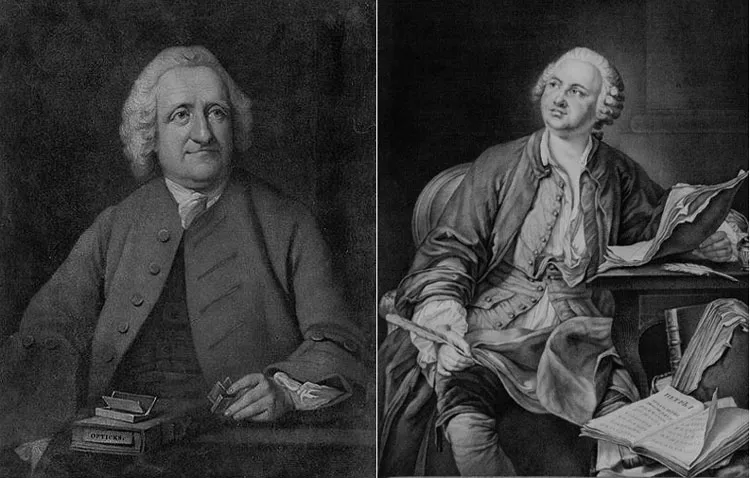
The telescope which discovered the Venuss atmosphere
John Dollond and Mikhail Lomonosov, two 18th-century pioneers, made major discoveries—Dollond’s achromatic telescope and Lomonosov’s identification of Venus’s atmosphere in 1761. Using a Dollond refractor, Lomonosov observed optical effects confirming Venus’s thick atmosphere.
Posted 7/7/2012
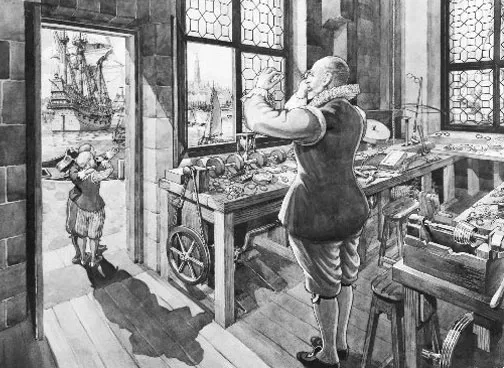
The First Telescope
Hans Lipperhey, a spectacle-maker, combined a concave and convex lens into the first telescope. But were both lens types in shops enough to create one? Perhaps he was just checking the convex lens surface? A concave lens shrinks images, unlike a convex magnifier, which forms a Keplerian telescope. So, which came first?
Posted 2/29/2012